
What is a spill pallet used for?
What is a spill pallet used for?
In any industrial or warehouse setting, handling liquid chemicals, oils, or hazardous substances comes with an inherent risk: the spill. Even a minor leak can lead to significant safety hazards, environmental contamination, and hefty regulatory fines. This is where the spill pallet—also known as a bunded pallet or secondary containment system—becomes a critical piece of infrastructure.
This guide explores the functions, types, and benefits of spill pallets, providing essential insights for operations managers, safety officers, and warehouse supervisors.
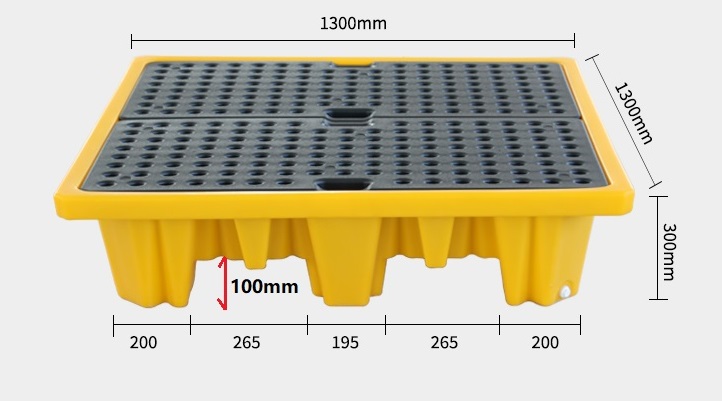
At its core, a spill pallet is a specialized heavy-duty plastic or metal tray designed to hold containers—such as 55-gallon drums or Intermediate Bulk Containers (IBCs)—and capture any leaks or spills that may occur.
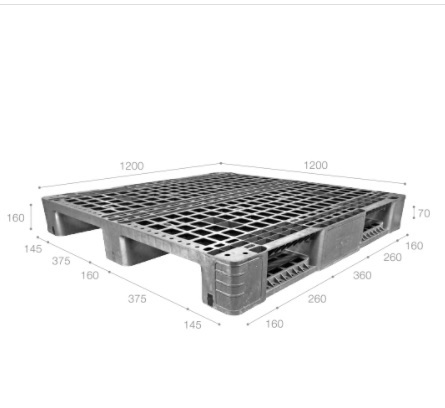
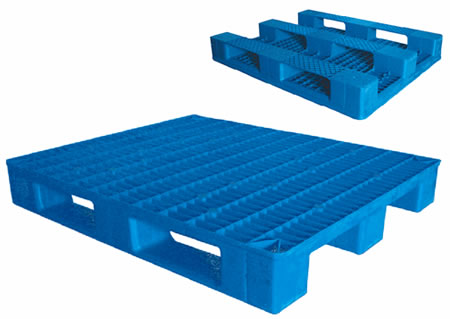
Unlike a standard shipping pallet, a spill pallet features a built-in sump (a hollow reservoir) beneath a removable grate. If a drum punctures or a valve fails, the liquid falls through the grate and is safely contained within the sump rather than spreading across the warehouse floor.
The Mechanism of Secondary Containment
In the world of safety compliance, storage containers like drums are "primary containment." The spill pallet acts as secondary containment. Most environmental regulations require that a secondary containment system must be able to hold:
- 110% of the capacity of the largest container on the pallet, OR
- 25% of the total volume stored on the pallet (whichever is greater).
Key Applications: Where are Spill Pallets Used?
Spill pallets are ubiquitous in industries ranging from manufacturing to food processing. Common applications include:
- Chemical Storage: Storing acids, corrosives, and solvents.
- Fuel and Oil Management: Used in workshops or generator rooms to prevent petroleum-based leaks.
- Waste Collection: Holding drums of used oil or chemical waste before disposal.
- Dispensing Stations: Placed under drums where liquids are frequently poured into smaller containers, catching "nuisance drips."
Why Every Facility Needs Spill Pallets
1. Workplace Safety (Slip and Fall Prevention)
Liquid spills are a primary cause of workplace accidents. A spill pallet keeps the floor bone-dry. By containing leaks at the source, you eliminate slip hazards and keep your walkways clear for foot traffic and forklifts.
2. Environmental Protection
In many regions, allowing hazardous chemicals to enter the soil or the local drainage system is a criminal offense. Spill pallets prevent toxic substances from reaching the water table, protecting the local ecosystem and your company’s reputation.
3. Regulatory Compliance
Whether it is OSHA (Occupational Safety and Health Administration) standards, EPA (Environmental Protection Agency) regulations, or local industrial safety acts, secondary containment is often a legal requirement. Failure to provide adequate spill protection can result in massive fines and forced operational shutdowns.
4. Cost Savings
Cleaning up a major spill on a concrete floor is expensive. It requires specialized sorbents, professional cleaning crews, and downtime. A spill pallet makes cleanup as simple as pumping the liquid out of the sump and wiping down the grate.
Types of Spill Pallets
Choosing the right pallet depends on the volume of liquid and the chemical nature of the substances being stored.
|
Type |
Best For |
Key Features |
|---|---|---|
|
Polyethylene (PE) Pallets |
Corrosives, Acids, and Alkalis |
Rust-proof, highly resistant to chemicals, lightweight. |
|
Steel Spill Pallets |
Flammable liquids and high-heat environments |
Fire-resistant, incredibly durable for heavy industrial use. |
|
IBC Spill Pallets |
Large-scale liquid storage (1000L tanks) |
Massive sump capacity, reinforced structure. |
|
Low-Profile Spill Decks |
Frequent loading/unloading |
Lower height makes it easier to lift drums on and off; often modular. |
Export to Sheets
Best Practices for Using Spill Pallets
To ensure your spill containment system remains effective, follow these operational guidelines:
Keep the Sump Dry
A common mistake is allowing rainwater (if stored outdoors) or cleaning water to collect in the sump. If the sump is half-full of water, it cannot hold its rated capacity of chemicals during an actual emergency. Always check and drain sumps regularly.
Compatibility Matters
Ensure the pallet material is compatible with the chemical being stored. While Polyethylene is great for most chemicals, certain highly aggressive solvents may require specialized fluorinated plastic or stainless steel.
Proper Loading
Never exceed the Uniformly Distributed Load (UDL) capacity of the pallet. Overloading can cause the plastic to bow or the grate to crack, compromising the containment integrity.
Use a Drum Jack or Ramp
Because spill pallets are elevated to accommodate the sump, lifting a 200kg drum onto them can be dangerous. Use a dedicated spill pallet ramp or a drum lifter to position containers safely.
Choosing the Right Supplier in Your Region
When sourcing spill pallets, look for products that meet international testing standards. In the Malaysian market, for instance, it is vital to ensure that pallets can withstand high humidity and tropical temperatures without becoming brittle.
Whether you are managing a small workshop in Selangor or a massive logistics hub in Port Klang, investing in high-quality spill pallets is a one-time cost that prevents a lifetime of legal and safety headaches.
Spill pallets are more than just "plastic trays." They are a fundamental component of a modern, responsible industrial strategy. By containing leaks, protecting employees, and ensuring environmental compliance, these tools allow businesses to focus on productivity without the looming fear of a catastrophic spill.
Are your secondary containment systems up to code? Conduct a walk-through of your facility today and identify areas where a spill pallet could be the difference between a normal workday and a costly disaster.