
Emergency Shower & Eyewash Technology
Emergency Shower & Eyewash Technology
A Complete Guide to Workplace Safety Systems
In hazardous work environments such as chemical plants, laboratories, manufacturing facilities, and construction sites, exposure to harmful substances is an ever-present risk. When accidents occur, immediate response can mean the difference between minor injury and permanent damage. This is where emergency shower and eyewash systems play a critical role. These safety devices are designed to provide instant decontamination by flushing hazardous materials from the body, eyes, or face.
Modern emergency shower and eyewash technology has evolved significantly over the years, incorporating advanced engineering, improved materials, and strict compliance standards to ensure maximum effectiveness. This article explores the technology behind these systems, their components, types, standards, and best practices for installation and maintenance.
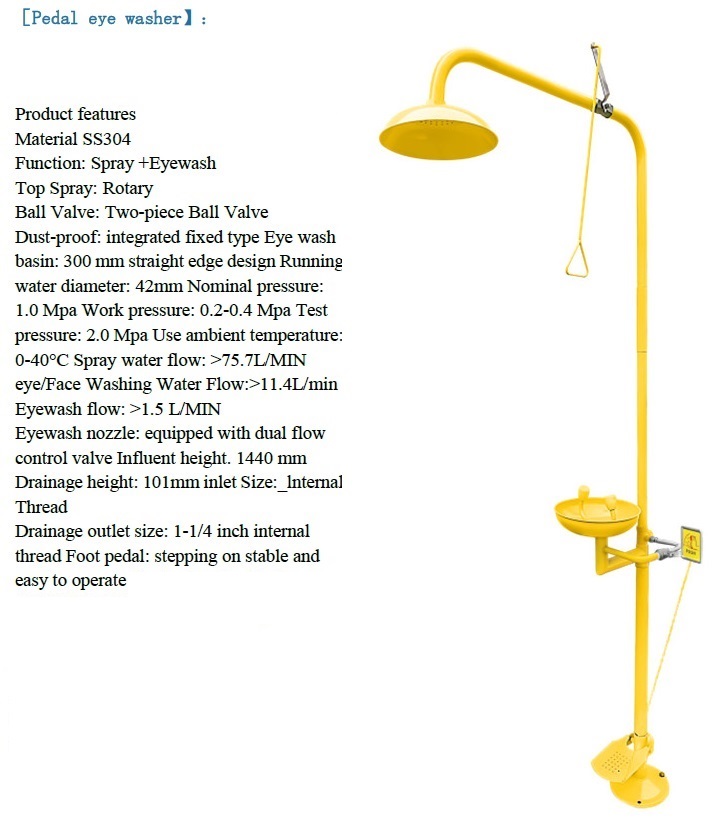
What Are Emergency Shower & Eyewash Systems?
Emergency showers and eyewash stations are safety fixtures designed to deliver a controlled flow of water to rinse contaminants from a person’s body or eyes. They are essential in workplaces where employees may be exposed to:
- Corrosive chemicals
- Toxic substances
- Biological hazards
- Dust or particulates
The primary objective is to minimize injury by rapidly diluting and removing harmful substances.
Core Technology and Design Principles
The effectiveness of emergency shower and eyewash systems depends on several key technological principles:
1. Immediate Activation
Emergency systems are designed for hands-free operation. Activation mechanisms include:
- Pull rods (for showers)
- Push plates or foot pedals (for eyewash units)
Once activated, the system must remain on without requiring continuous manual pressure. This ensures the user can focus entirely on flushing contaminants.
2. Controlled Water Flow
The systems are engineered to deliver water at a specific flow rate:
- Emergency showers: typically around 75.7 liters per minute
- Eyewash stations: approximately 1.5 liters per minute
This balance ensures effective rinsing without causing further injury.
3. Tepid Water Delivery
Modern systems emphasize “tepid water,” typically between 16°C and 38°C. Water that is too cold can induce hypothermia, while hot water may worsen chemical burns. Advanced systems use thermostatic mixing valves to maintain consistent temperature.
4. Uniform Spray Pattern
Eyewash nozzles are designed to provide a gentle, aerated flow that covers both eyes simultaneously. Shower heads distribute water evenly over the entire body, ensuring complete decontamination.
Key Components of Emergency Systems
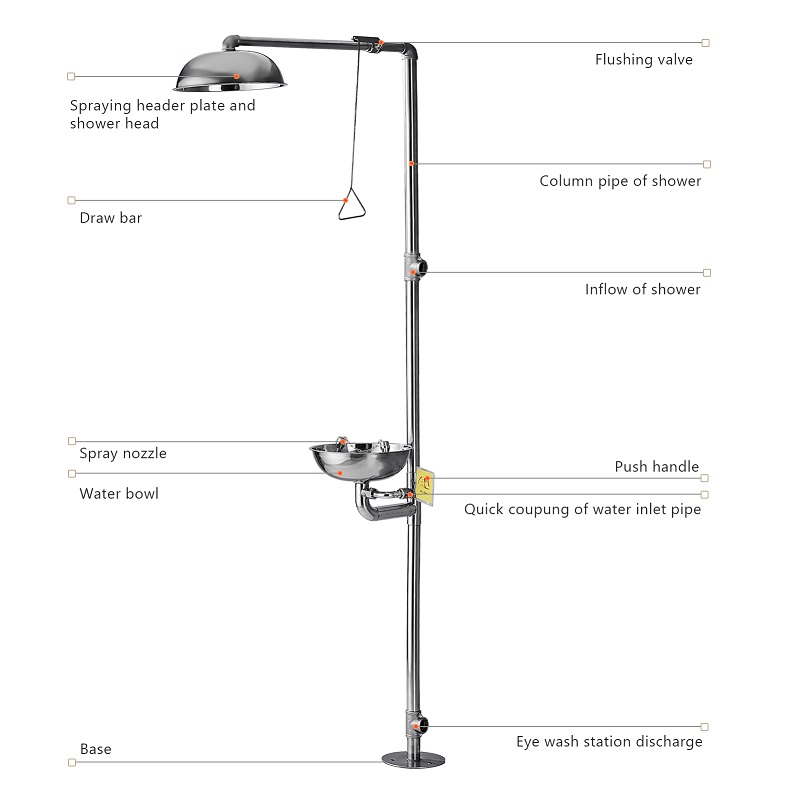
1. Shower Head
The shower head is engineered to disperse water in a wide, even pattern. It must deliver sufficient flow to cover the entire body.
2. Eyewash Nozzles
Eyewash units feature twin nozzles with soft, aerated flow. Dust covers are often included to prevent contamination and automatically open when the unit is activated.
3. Valves and Activation Mechanisms
Quick-opening valves ensure immediate water flow. These valves are designed to open in one second or less and remain open until manually shut off.
4. Thermostatic Mixing Valve
This component blends hot and cold water to maintain a safe temperature. It is a critical feature in modern systems, especially in climates with extreme temperatures.
5. Piping and Materials
Most systems are constructed using durable materials such as:
- Stainless steel (corrosion-resistant)
- Galvanized steel
- High-density polyethylene (HDPE)
Material selection is crucial for longevity and resistance to harsh environments.
Types of Emergency Shower & Eyewash Systems
1. Plumbed Systems
These are permanently connected to a facility’s water supply. They provide continuous water flow and are commonly used in industrial settings.
Advantages:
- Unlimited water supply
- Reliable performance
- Lower long-term maintenance
2. Portable (Self-Contained) Systems
Portable units contain their own water reservoir and are ideal for remote or temporary worksites.
Advantages:
- Mobility
- No plumbing required
- Suitable for construction sites
Limitations:
- Limited water capacity
- Requires regular refilling and maintenance
3. Combination Units
These systems integrate both a shower and eyewash station into a single unit, providing full-body and eye protection.
4. Drench Hoses
Flexible hoses allow targeted rinsing of specific areas. They are often used alongside other systems rather than as a standalone solution.
Compliance and Safety Standards
Emergency shower and eyewash systems must comply with internationally recognized safety standards. These standards define requirements for:
- Flow rate
- Water temperature
- Installation distance
- Maintenance procedures
For example, systems must typically be located within a 10-second travel distance from potential hazards and be easily accessible without obstruction.
Regular inspections are mandatory to ensure proper functionality. Weekly activation tests and annual comprehensive inspections are common best practices.
Smart Technology Integration
Modern emergency systems are increasingly incorporating smart technologies to improve safety and efficiency.
1. Monitoring Sensors
Sensors can detect usage and send alerts to safety personnel. This ensures immediate response in case of an incident.
2. IoT Connectivity
Internet of Things (IoT) integration allows remote monitoring of system status, including:
- Water pressure
- Temperature
- Maintenance schedules
3. Automated Flushing Systems
Automated systems periodically flush stagnant water to prevent bacterial growth, such as Legionella.
Importance of Proper Installation
Correct installation is critical to ensure effectiveness. Key considerations include:
- Proximity to hazards
- Clear, unobstructed access
- Adequate drainage
- Proper lighting and signage
The system must be installed on a level surface and be easily identifiable, even in emergency conditions.
Maintenance and Testing
Regular maintenance ensures the system remains operational when needed. Recommended practices include:
Weekly Testing
- Activate the system to verify water flow
- Check for leaks or damage
Monthly Inspection
- Inspect valves and nozzles
- Ensure protective covers are intact
Annual Maintenance
- Comprehensive system evaluation
- Calibration of thermostatic valves
Neglecting maintenance can result in system failure during critical moments.
Applications Across Industries
Emergency shower and eyewash systems are used in a wide range of industries, including:
- Chemical manufacturing
- Pharmaceuticals
- Oil and gas
- Laboratories and research facilities
- Food processing plants
Each industry may have specific requirements based on the types of hazards present.
Benefits of Advanced Emergency Systems
1. Enhanced Worker Safety
Immediate decontamination reduces the severity of injuries and improves recovery outcomes.
2. Regulatory Compliance
Proper systems help organizations meet safety regulations and avoid penalties.
3. Reduced Liability
Effective safety measures lower the risk of workplace incidents and legal claims.
4. Improved Workplace Confidence
Employees feel safer knowing that protective measures are in place.
Future Trends in Emergency Safety Technology
The future of emergency shower and eyewash technology is moving toward smarter, more efficient systems. Key trends include:
- Increased automation
- Integration with building management systems
- Enhanced water-saving designs
- Improved ergonomic features
Manufacturers are also focusing on sustainability, developing systems that minimize water waste while maintaining effectiveness.