
DOSH Malaysia Secondary Containment Pallet Guide: Essential Spill Pallet Compliance for Factories & Industrial Plants
DOSH Malaysia Secondary Containment Pallet Guide: Essential Spill Pallet Compliance for Factories & Industrial Plants
Running a manufacturing plant, processing facility, or industrial warehouse in Malaysia means navigating a rigorous landscape of safety and environmental regulations. Among the most critical yet frequently overlooked components of plant compliance is secondary containment.
Whether you operate a sprawling electronic assembly plant in Penang, a chemical blending facility in Pasir Gudang, or a heavy machinery workshop in Shah Alam, managing liquid hazards safely is non-negotiable. With the Department of Occupational Safety and Health (DOSH Malaysia / JKKP) and the Department of Environment (DOE / JAS) intensifying oversight, utilizing a secondary containment pallet (often called a spill pallet) is an absolute operational essential.
What Is a Secondary Containment Pallet and Why Does It Matter?
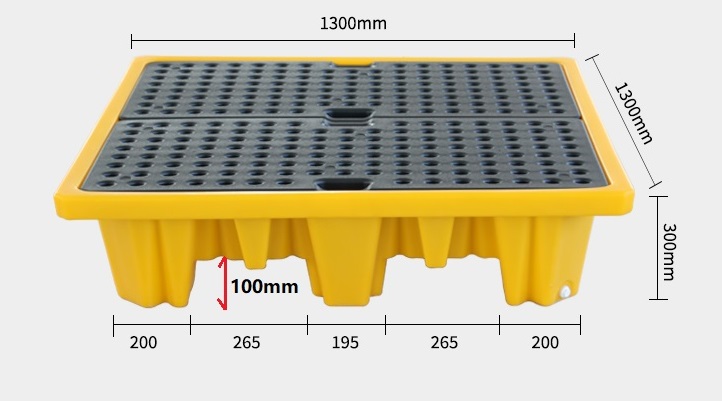
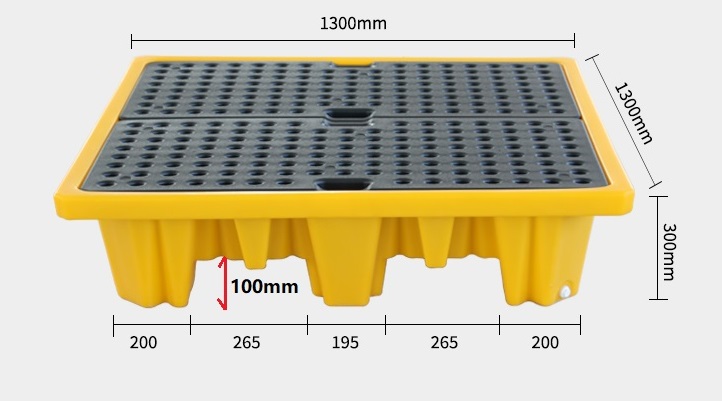
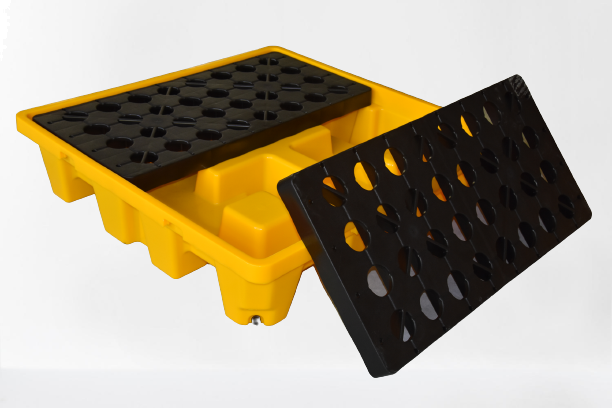
A secondary containment pallet is a specially engineered, heavy-duty molded platform designed to hold industrial drums (typically standard 200-litre or 55-gallon steel or plastic drums). It features an elevated grated deck where drums sit, and an integrated, leak-proof lower basin (sump) that captures any leaks, drips, or catastrophic container failures.
In a busy Malaysian industrial environment, minor drum punctures, hairline fractures, loose bung caps, or transfer spills happen. Without a secondary containment system, these liquids breach the concrete floor, seep into stormwater drains, or create hazardous slip-and-fall zones for workers.
DOSH Malaysia Requirements and the Legal Framework
Under the Occupational Safety and Health Act 1994 (OSHA 1994 / Act 514)—including its expanded provisions and related guidelines—employers have a strict statutory duty to ensure, so far as is reasonably practicable, the safety, health, and welfare of all employees.
When applied to chemical handling and liquid storage, this legal duty translates into specific compliance mandates:
1. Risk Control and the HIRARC Framework
DOSH mandates that factories conduct Hazard Identification, Risk Assessment, and Risk Control (HIRARC). Storing hundreds of liters of oils, solvents, lubricants, acids, or alkalis on a bare factory floor without spill containment represents an unmitigated high risk. A secondary containment pallet serves as an engineering control measure that drastically reduces both the likelihood and severity of a spill hazard.
2. Compliance with CHRA and Chemical Safety Regulations
Under the Occupational Safety and Health (Use and Standards of Exposure of Chemicals Hazardous to Health) Regulations 2000 (USECHH) and the CLASS Regulations 2013, facilities must safely store hazardous chemicals to prevent worker exposure and environmental contamination. Secondary containment prevents volatile or toxic chemical puddles from vaporizing into the workspace air or coming into direct contact with worker footwear and skin.
3. Alignment with DOE Standards (The Dual Enforcement Reality)
While DOSH protects workers on the plant floor, the Department of Environment (DOE / JAS) enforces strict rules regarding scheduled waste and pollution control. DOE guidelines mandate that liquid hazardous materials must be stored within bunded areas capable of containing at least 110% of the largest single container or 25% of the total aggregate storage capacity, whichever is greater. Polyethylene secondary containment pallets with certified sump capacities (such as standard 260-litre models) provide a portable, modular, and audit-ready way to meet these stringent bunding standards without requiring permanent concrete civil works.
Key Benefits of Using Spill Pallets in Malaysian Factories
Beyond keeping local inspectors from issuing hefty fines or stop-work orders, implementing high-grade secondary containment pallets offers profound operational advantages:
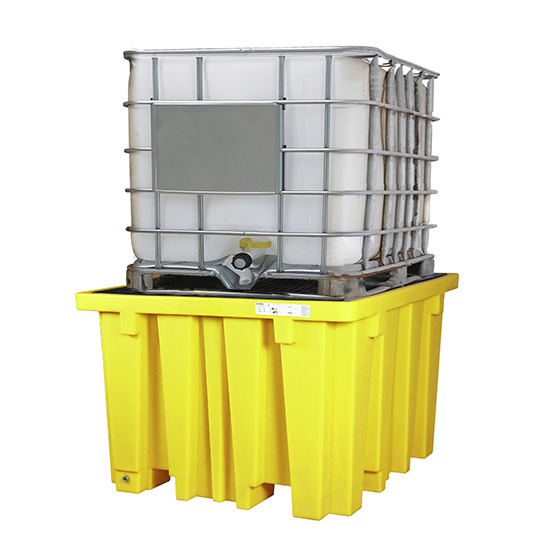
- Seamless Forklift and Pallet Jack Mobility: Unlike fixed concrete bunds that lock your layout into a permanent configuration, heavy-duty plastic spill pallets feature 4-way forklift and hand pallet truck channels. You can easily relocate drum staging areas as your factory floor configuration evolves.
- Superior Material Compatibility: Industrial secondary containment pallets are typically molded from high-density virgin polyethylene (HDPE) or heavy-duty polypropylene (PP). Unlike unprotected steel pallets that rust or concrete that degrades under acidic exposure, quality polymer pallets resist aggressive chemicals, concentrated acids, caustic alkalis, and petroleum oils.
- Slip Prevention and Workplace Safety: Minimizing puddle accumulation keeps walkways clean, drastically lowering the risk of slip-and-fall injuries—one of the most common workplace incidents reported in Malaysian manufacturing plants.
- Streamlined Scheduled Waste Management: If a leak occurs, the spilled substance is safely trapped inside the cleanable sump basin rather than contaminating soil or mixing with stormwater drains, making recovery and scheduled waste labeling straightforward for DOE compliance.
Best Practices for Factory Compliance in Malaysia
To pass routine audits by DOSH, DOE, and BOMBA (Fire and Rescue Department), factory safety managers should adhere to these essential guidelines:
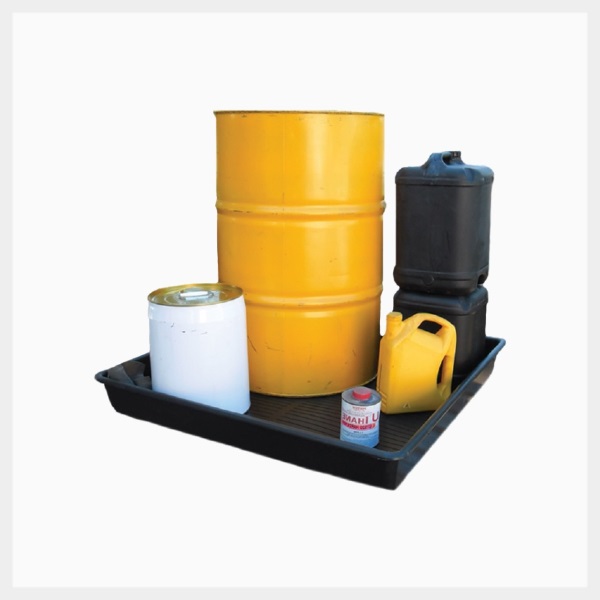
- Calculate Your Sump Capacity: Ensure your chosen spill pallet can legally contain the volume dictated by local regulations (at least 110% of your largest container stored on top).
- Never Mix Incompatible Chemicals: Follow strict chemical segregation matrices. Never place acids and bases on the same secondary containment pallet, as an accidental co-leak can trigger violent reactions, toxic gases, or fires.
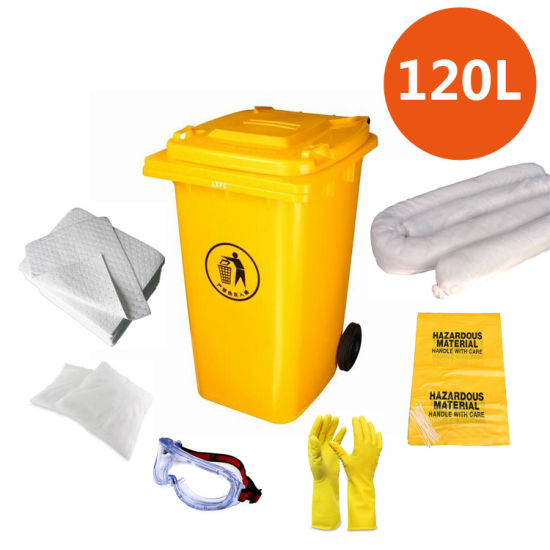
- Maintain Routine Inspections: Check sumps regularly for rainwater accumulation (if stored semi-outdoors) or leaked liquids. Equip your facility with compatible industrial spill kits nearby for fast, safe extraction and clean-up.
Investing in certified secondary containment pallets is far more than a box-ticking exercise for a safety audit. It is a fundamental pillar of responsible facility management in Malaysia. By protecting your workers from chemical hazards, safeguarding your workspace, and respecting stringent DOSH and DOE environmental mandates, your factory secures both its legal standing and its long-term operational continuity.